Orchid Show at the New York Botanical Garden
Last month I spent a day at the New York Botanical Garden during their 23rd annual Orchid Show, it is quite remarkable and I’d love to share the experience with you! The show takes over the conservatory each year with a completely new design, and it’s one of those events that manages to feel both carefully curated and surprisingly immersive at the same time.
This year’s show is designed by a New York-born anonymous artist - Mr. Flower Fantastic. He chose the theme of celebrating resilience. From the artist: “This show shines a light on spaces and places that might get overlooked. There’s a beautiful chaos in the concrete jungle, and life in bloom”
Walking into the conservatory, you’re immediately surrounded by orchids in every direction—overhead, at eye level, and tucked into unexpected corners. The displays aren’t just about showing individual plants; they’re arranged in a way that highlights how diverse orchids really are. Naturally, I took hundreds of pictures and I’m so delighted to share them with you - it’s an explosion of color!
The most impressive takeaway for me was just how incredible the diversity of orchids is - we all only know the moth orchid, but there are so, so many more!
There are nearly 30,000 species of orchids, spread across 6 continents! They may have petals that are 3 feet long, or flowers so tiny they can not be seen with naked eye.
Some varieties are small and understated, while others are bold and almost sculptural, with exaggerated shapes and vivid colors that don’t quite look real. They’ve adapted to nearly every environment except extreme cold, and many are epiphytes—growing on other plants rather than in soil. This gives them an airy, suspended quality, as if they belong more to atmosphere than earth. From an artistic standpoint, that weightlessness is a challenge: how do you paint something that feels like it barely touches the world?
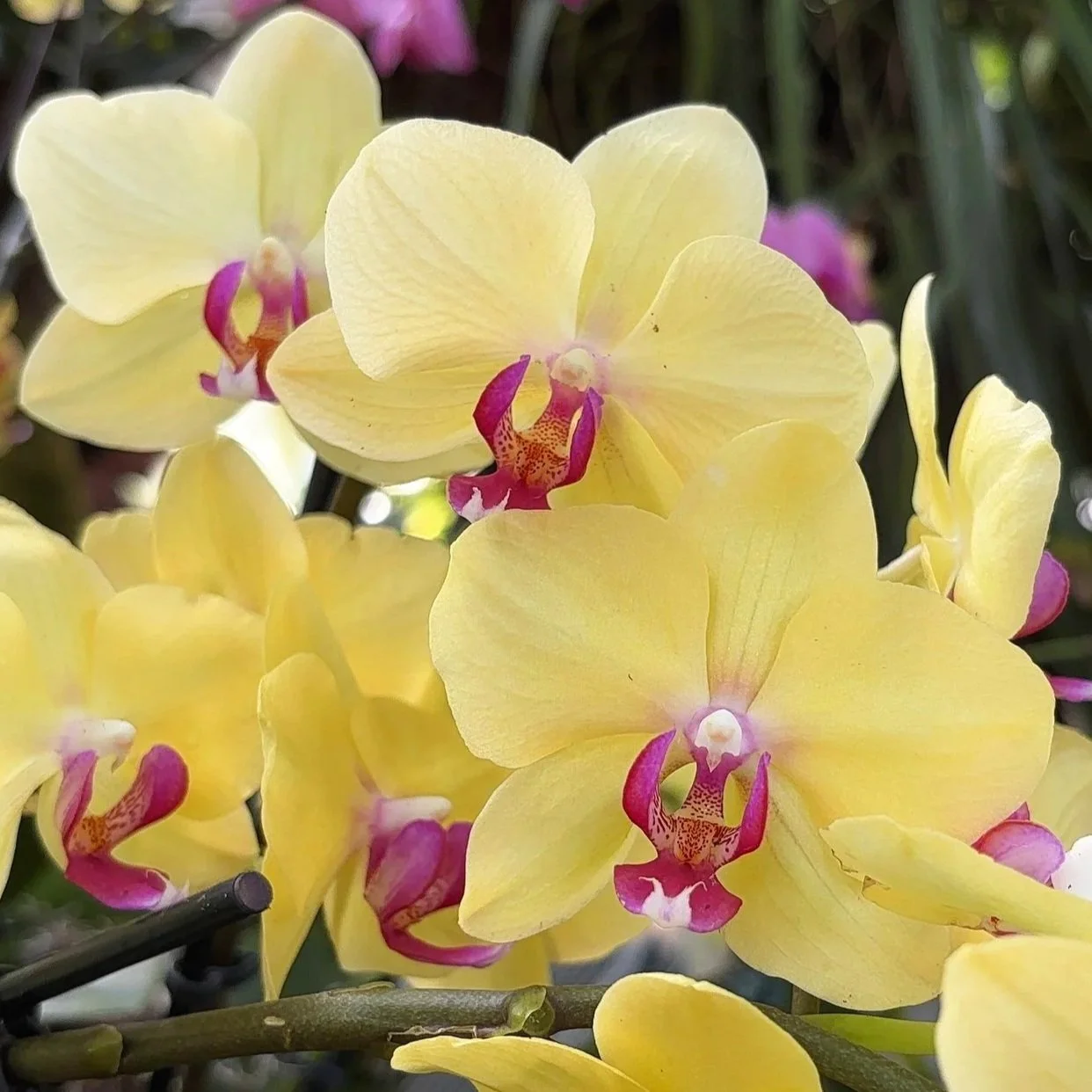
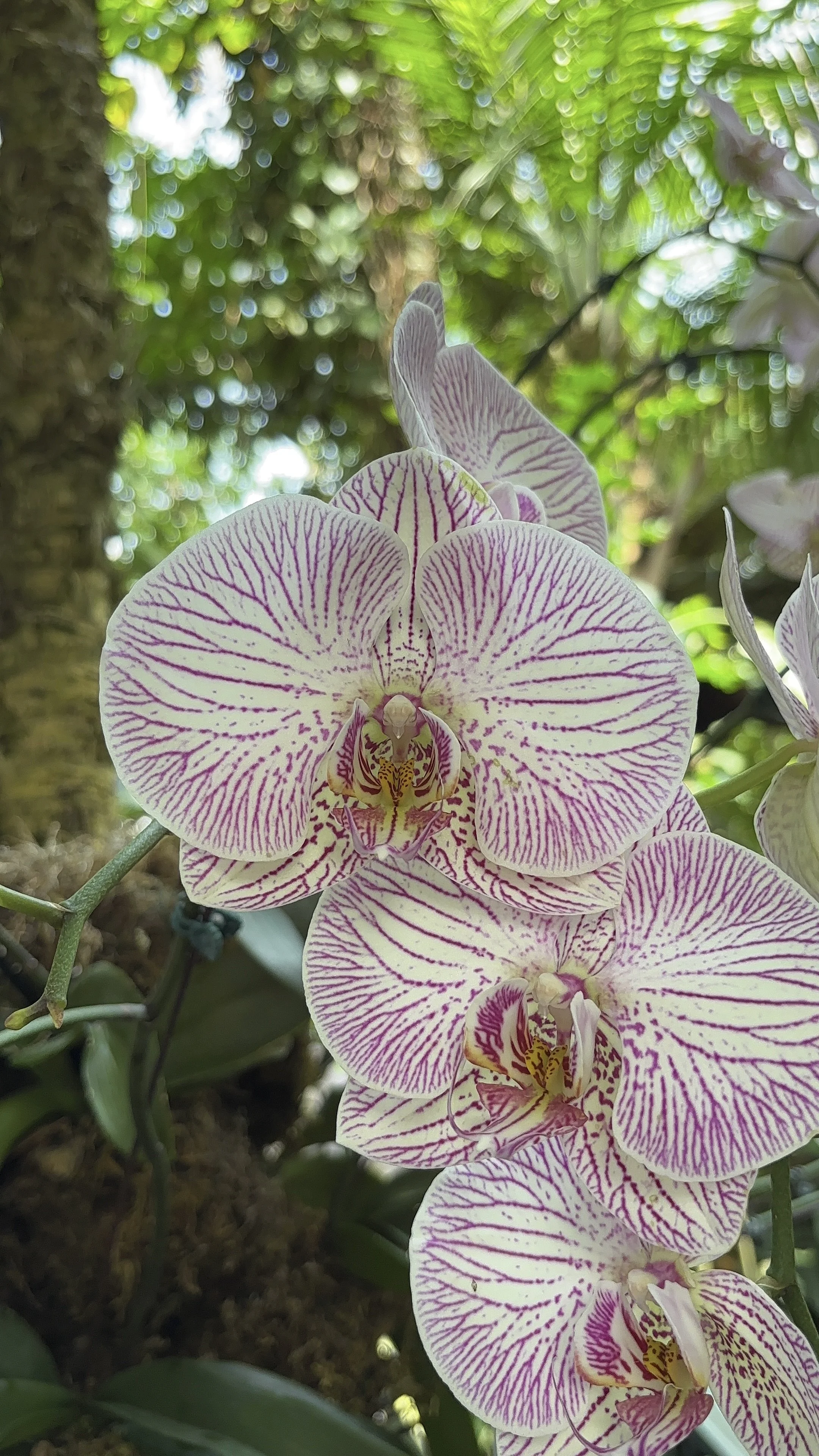
The most commonly familiar to us orchid is the moth orchid - Orquidea mariposa Phalaenopsis sp. They are native across Southern Asia - from the Philippines, New Guinea to tropical Australia.
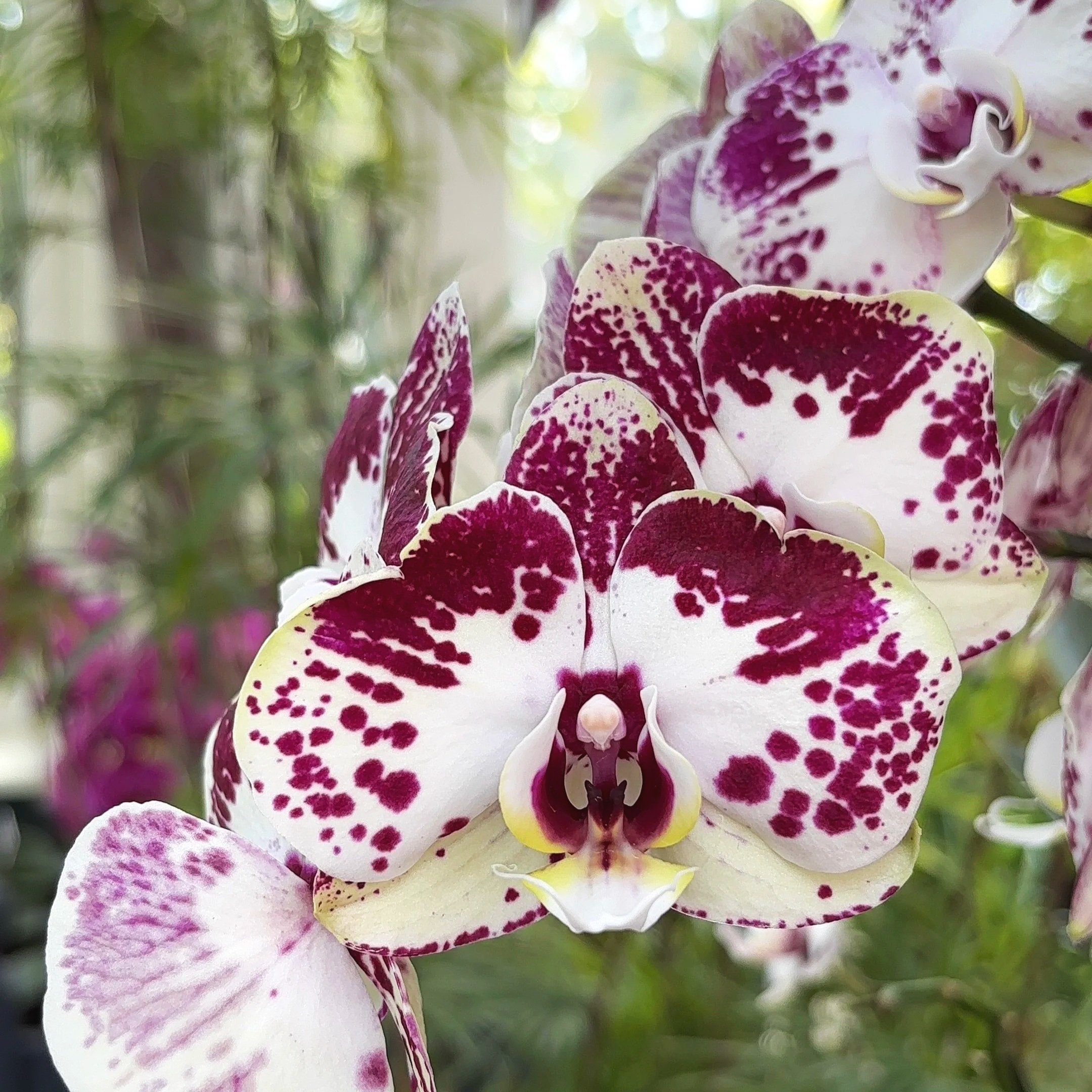
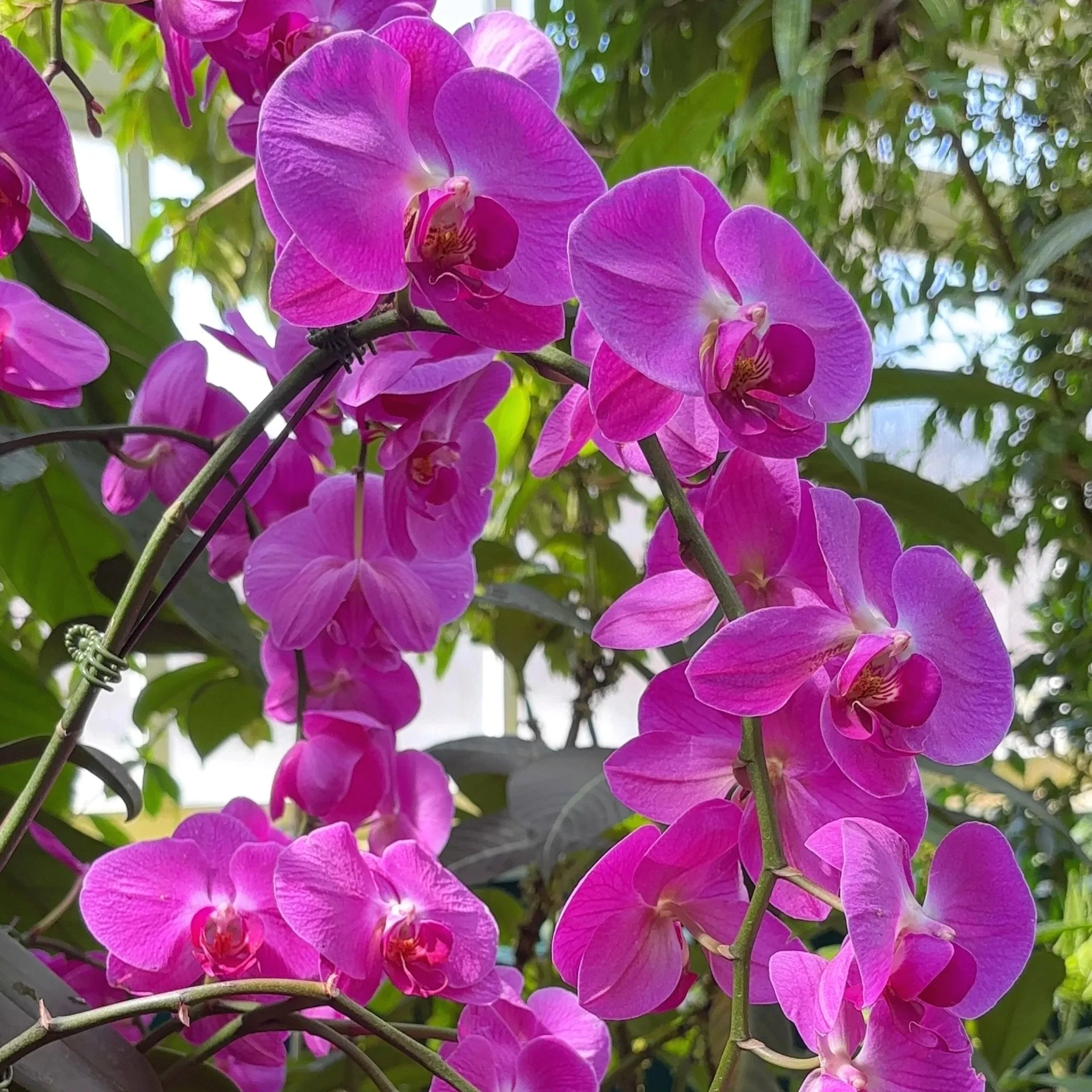
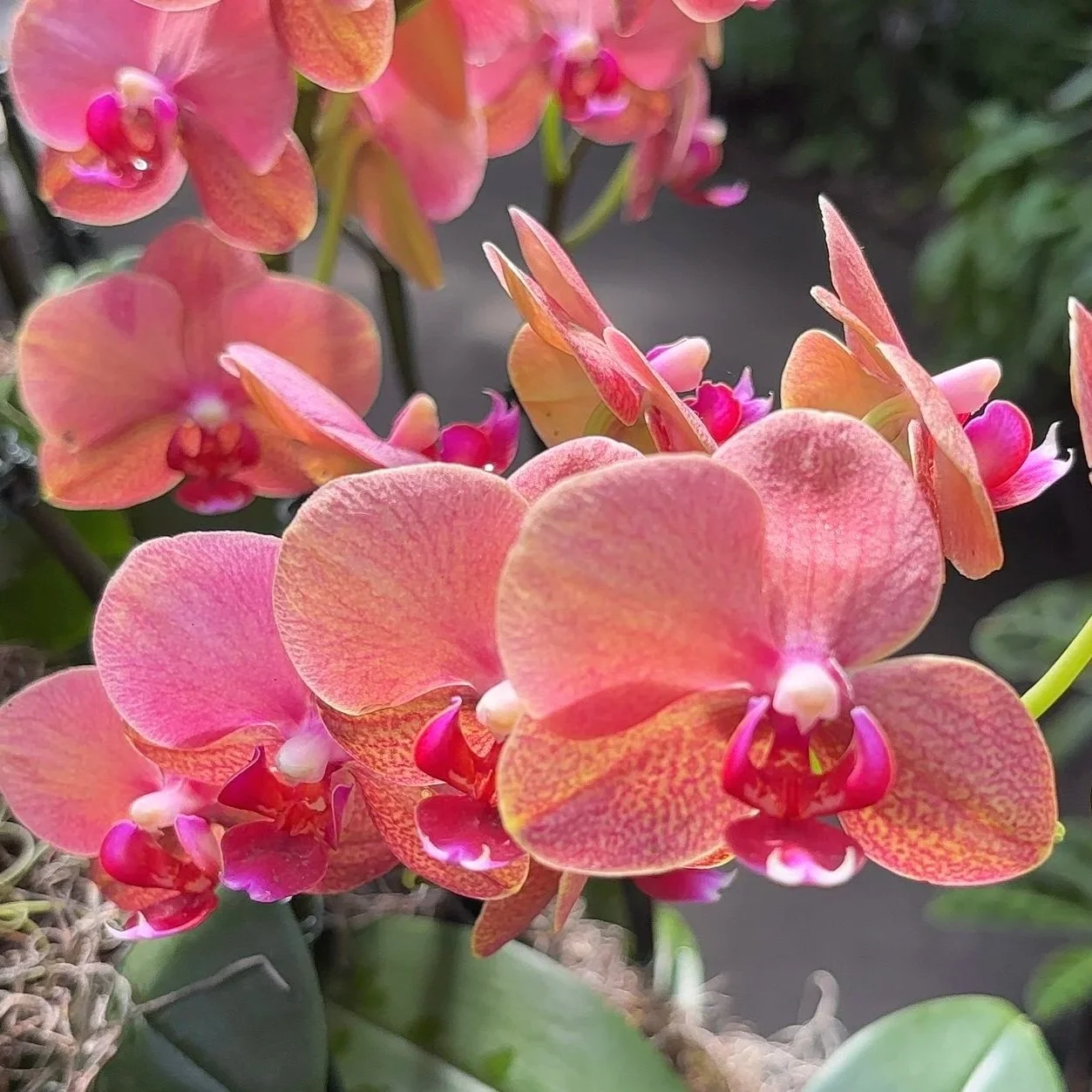
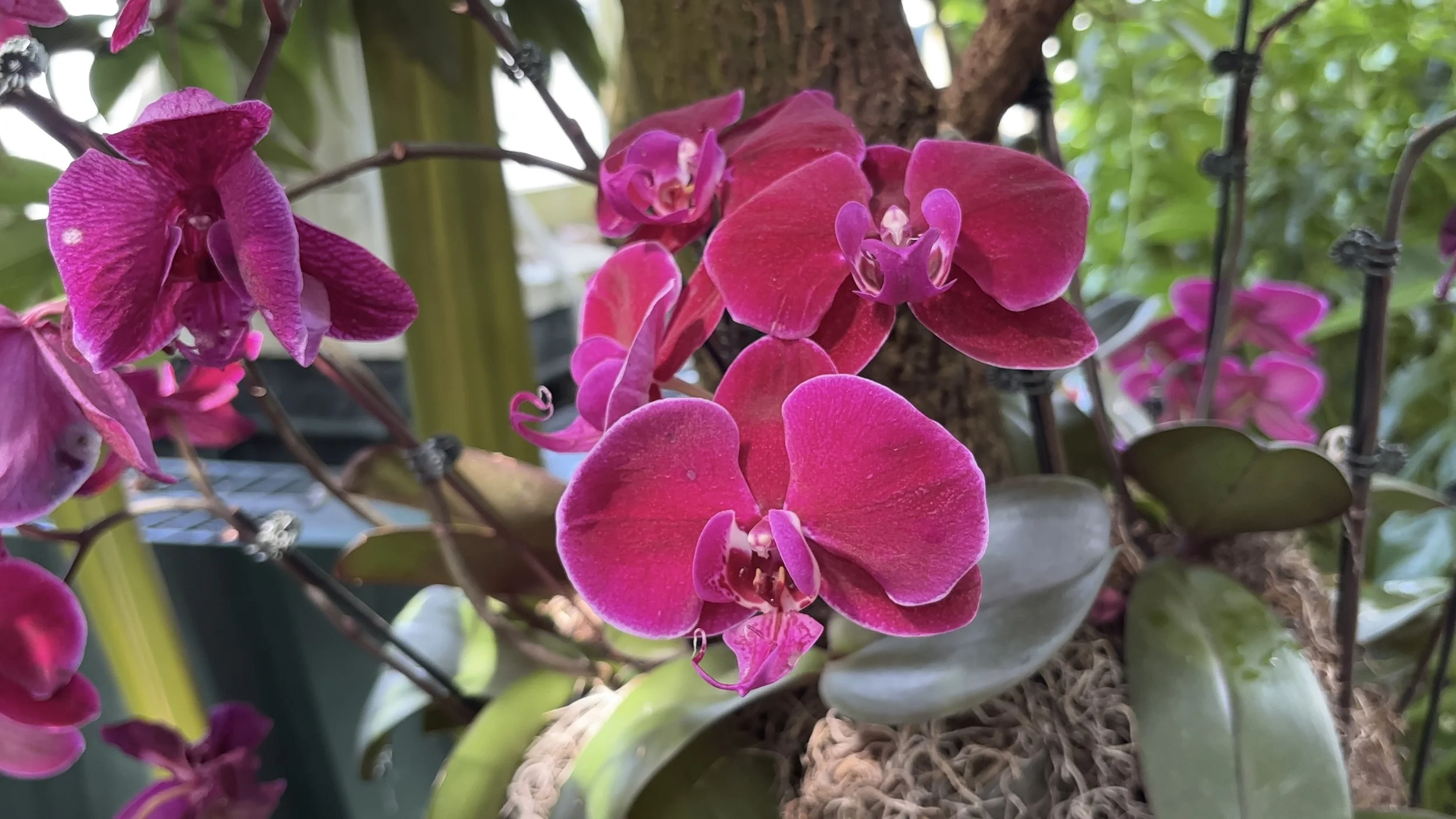
Cattleya orchids are very interesting - in the 1940s and 50s, they were a fashionable, fragrant accessory worn pinned to one’s hair or dress on special occasions. These are the dramatic ones— best known for their large, ruffled blooms, and throats that flare like trumpets. The national flower of Colombia is the cattleya.
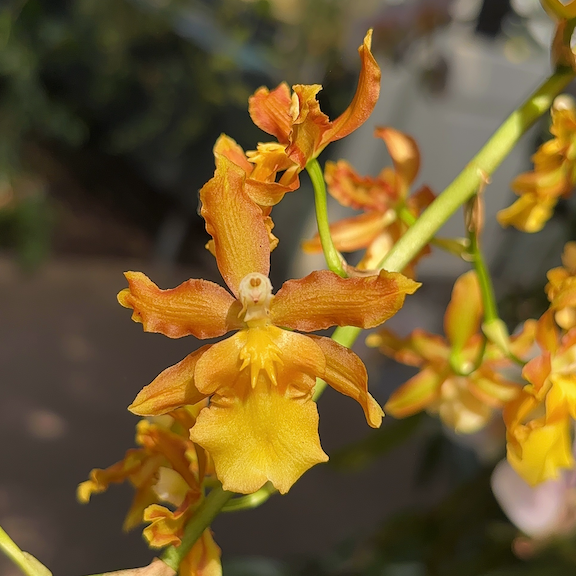
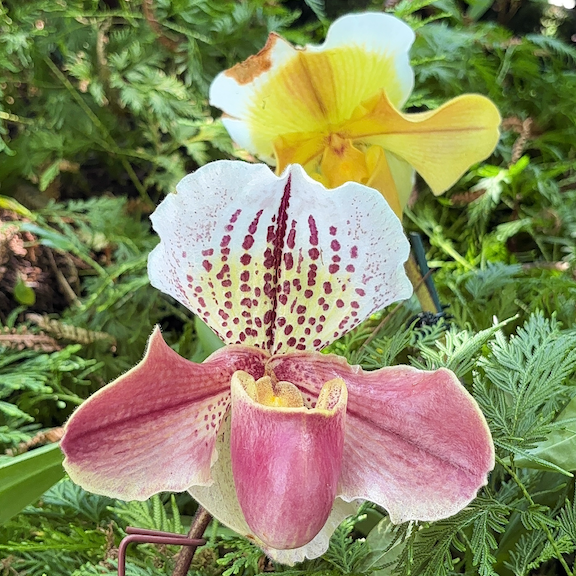
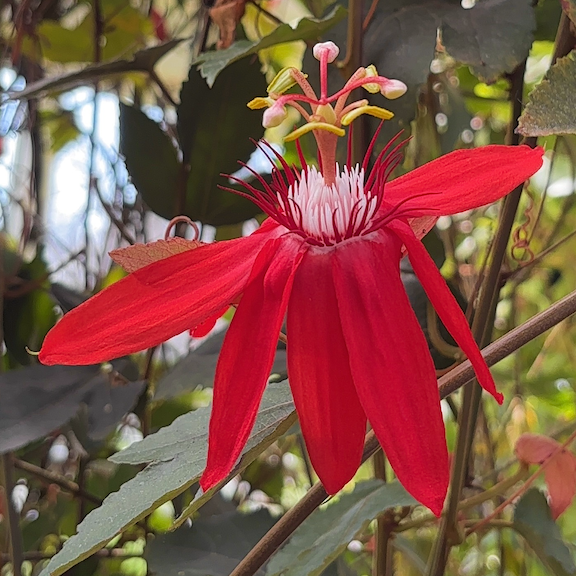
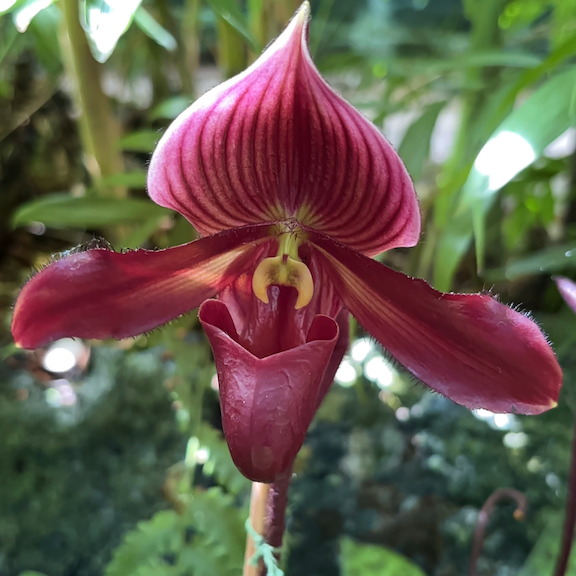
What impressed me a lot was the range of color and pattern. There were soft, creamy whites and pale greens, but also saturated pinks, oranges, and deep purples. Many of the blooms had intricate markings—freckles, stripes, or gradients—that felt like they were designed with a painter’s eye. It’s the kind of detail that makes you slow down and really look, which is something I always try to bring into my own work.
They have amusing names, too. The one on the top right below here is from the “Dancing ladies” genus - this particular one is “Wild cat”
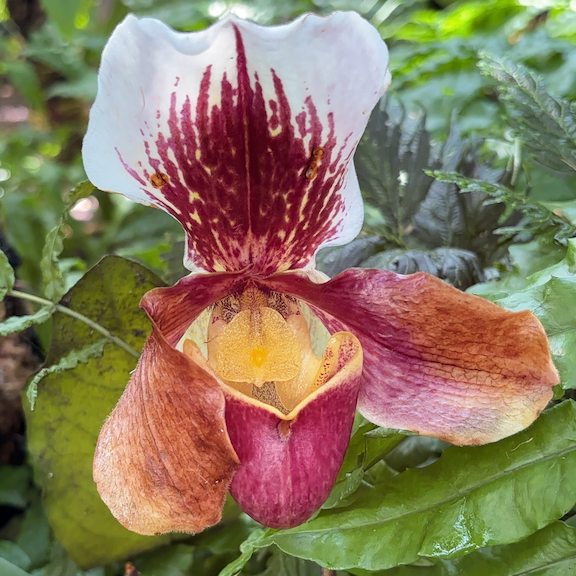
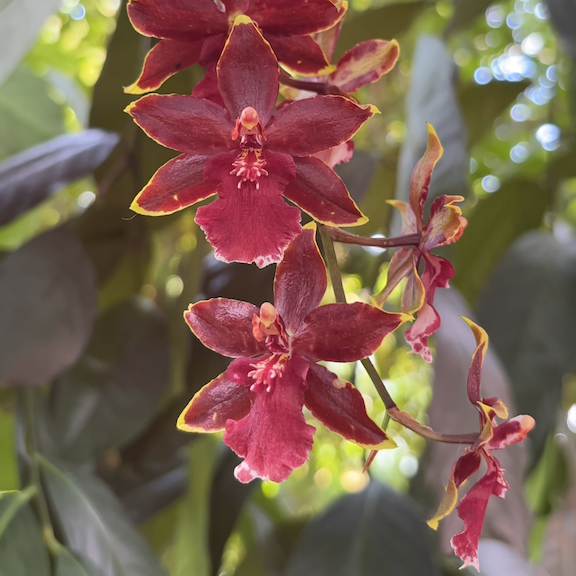
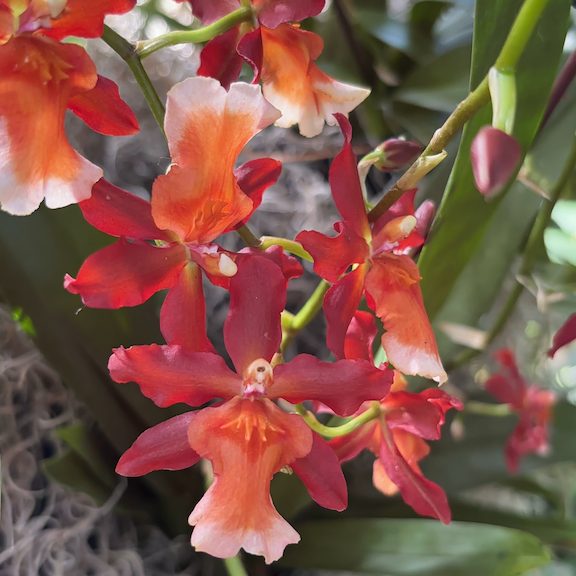
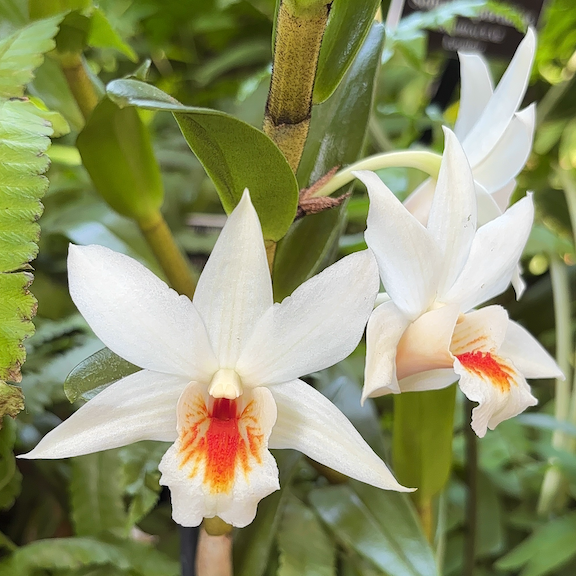
From an artist’s perspective, orchids are especially interesting because of their structure. Unlike looser flowers like poppies, orchids have a more defined, almost architectural or sculptural form. Each petal has a specific shape and direction, and the centers can be surprisingly complex. Spending time observing them in person was a good reminder of how important it is to balance accuracy with softness when painting botanical subjects.
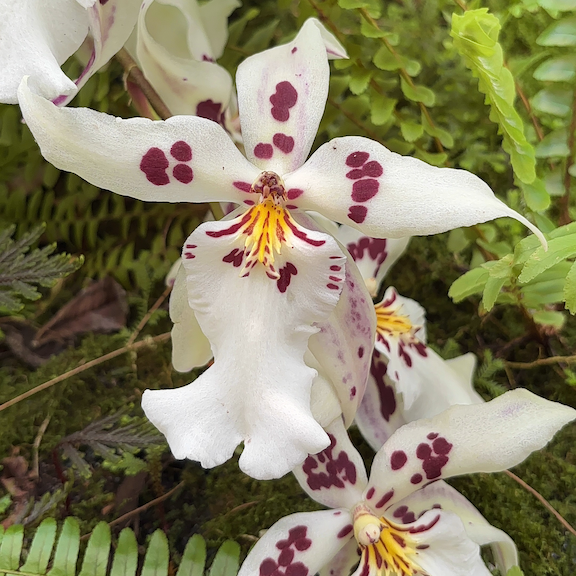
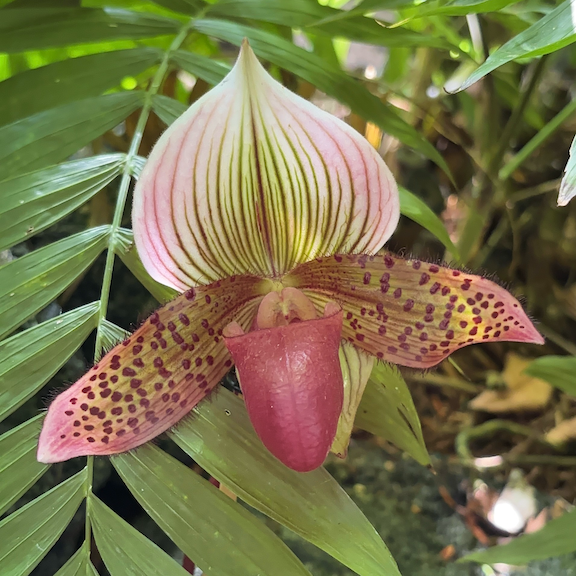
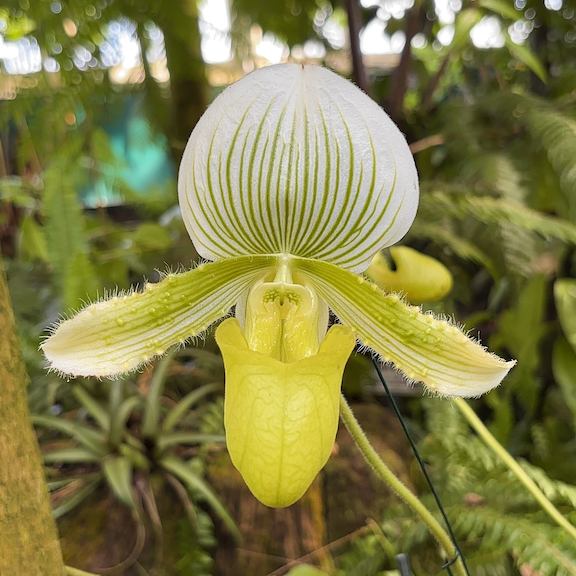
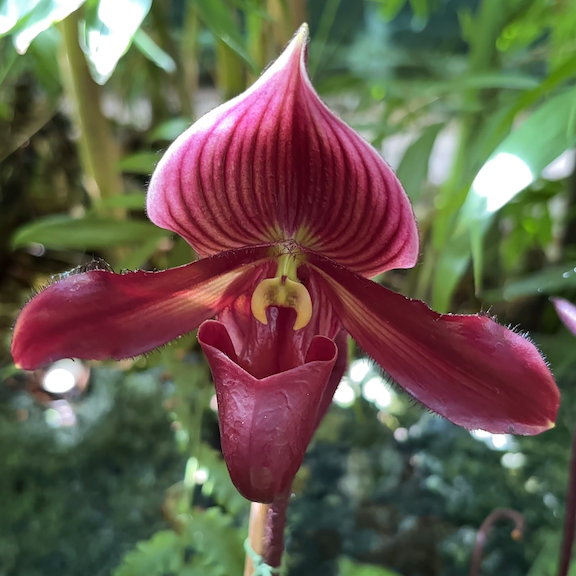
Charles Darwin took great interest in the ways different species of orchids evolved to attract specific insect pollinators. Many entice with nectar or fragrance. Some use floral traps, forcing insects to pollinate their flowers as they try to escape. Others produce a glue-like substance to attach their pollen to the insect’s body. Some of the most unusual orchids mimic the look of insects to fool them into “mating” with the flowers.
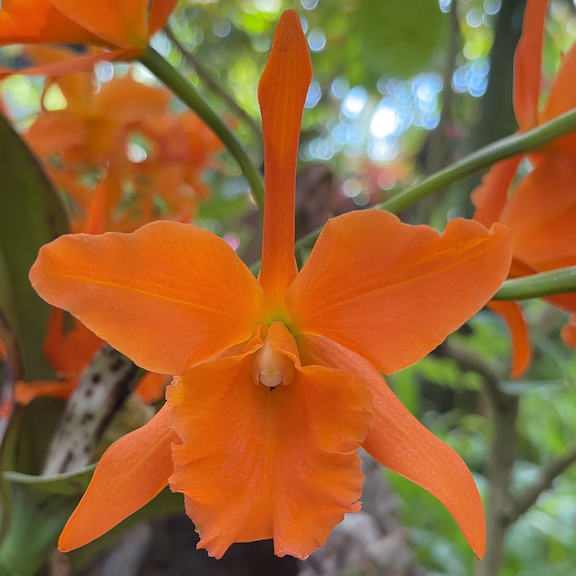
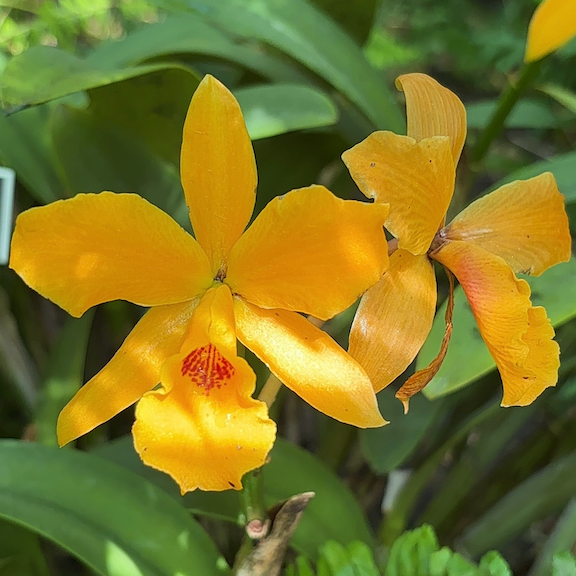
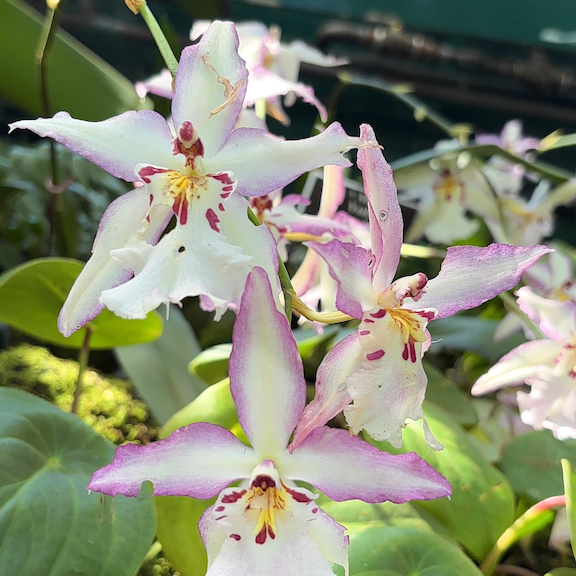
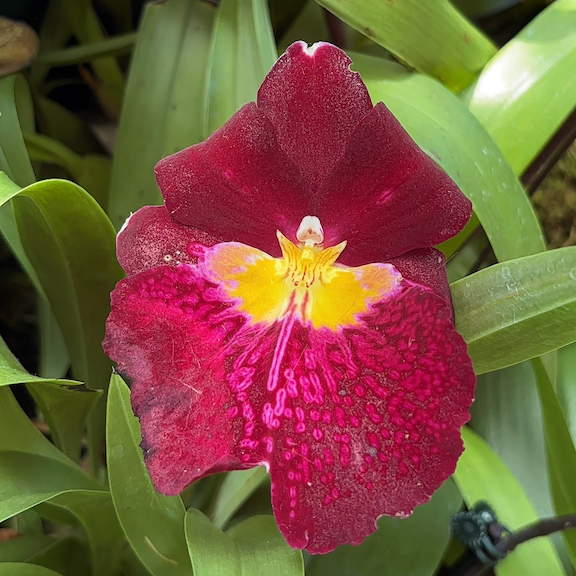
I also appreciated how the show encourages you to move through the space at your own pace. There’s no single “right” path, so you can linger where something catches your attention or circle back to a display that you want to study more closely. I found myself doing that often—going back to certain groupings to take a second look at color combinations or petal shapes.
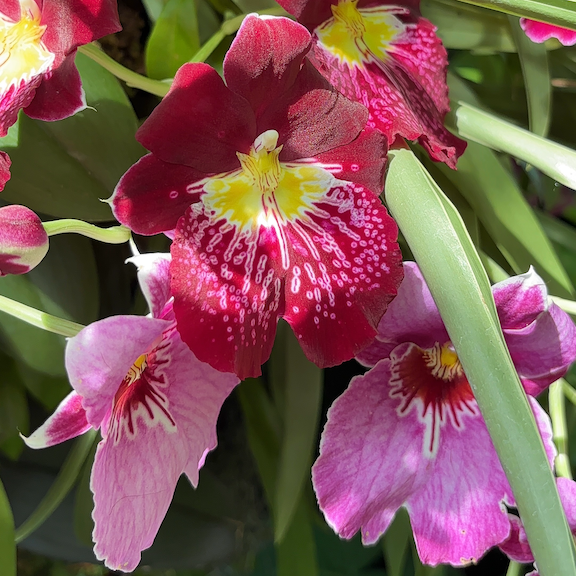
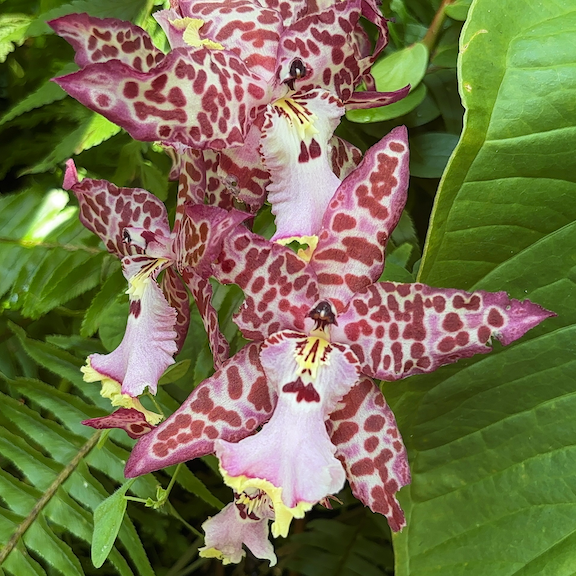
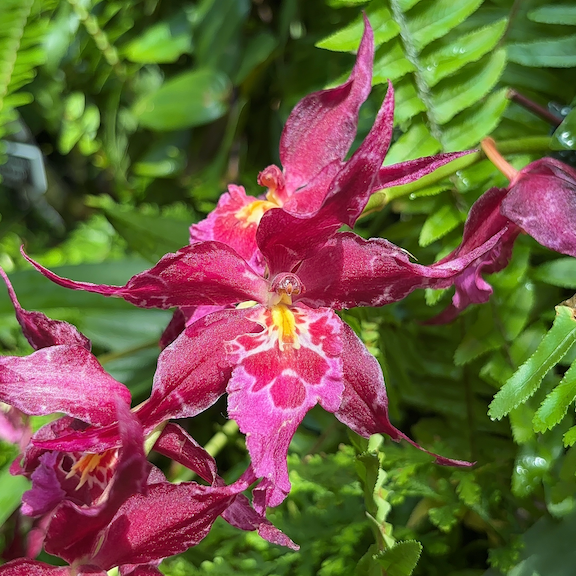
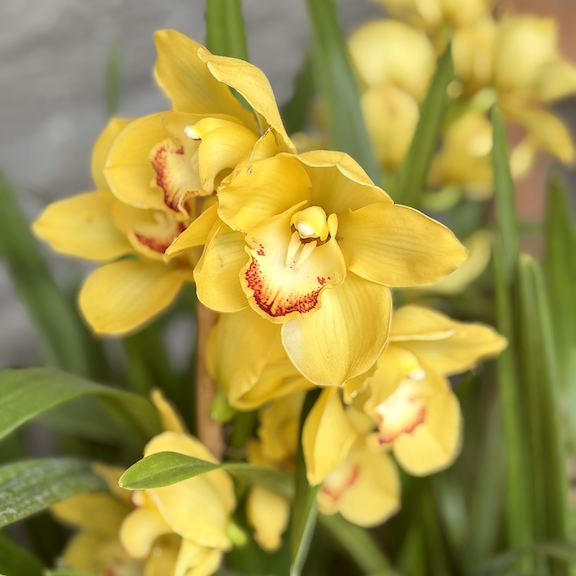
From a painter’s viewpoint, the experience also shifted how I see composition. Orchids don’t grow in isolation here—they cascade, cluster, or are suspended from above. A single stem might hold a dozen blooms, each at a slightly different angle, creating a natural asymmetry that feels both spontaneous and balanced. It challenged my instinct to center subjects. Instead, I began to think in terms of flow, how the eye travels across a painting, much like it moves through the exhibit itself.
I left with a camera full of photos along with a soul bursting with color and inspiration of all the beautiful orchids I will paint!
If you ever have the chance to visit the Orchid Show, I’d definitely recommend it. It’s a great reminder of just how much variety and beauty exists within a single group of plants—and how much there is to learn simply by observing closely. I hope my story and my photographs brought you inspiration and filled your soul with joy today!
The NYBG Orchid Show runs from Feb. 7 to April 26, 2026.